
Learning the Language of My Heart
By Sophia Feng
As my pediatrician listened to my heart during my 12-year-old well child visit, she suddenly told me, “You have a heart murmur.” I had just started middle school.
I thought to myself, What? Me? A heart murmur?
I don’t remember what the doctor said after that, just that I needed to go to the cardiologist to rule out major heart conditions. A week later, I visited the cardiologist for the first time. The hospital tech did an EKG on me.
“It’s normal.”
I was delighted. All we had to do was an echocardiogram and I would be able to return home and move on with my life.
However, when my parents and I sat back down in the tiny hospital room and the cardiologist walked in, I felt the mood of the room shift. I could tell by her tense body language that she was about to tell me that my echocardiogram was not, in fact, normal.
She explained to my mother how the valves of the heart work and how they help blood circulating in the heart move in one direction. She then told us that one of my valves did not work properly and was causing blood to move backwards into the heart in the opposite direction.
I received a diagnosis for a heart condition I didn’t know I had: rheumatic heart disease, which occurs when the body attacks itself and the heart as a result of a strep infection. Neither my family nor I ever recalled having any signs or symptoms of strep throat or rheumatic fever. As someone who was previously healthy with no family history of heart disease, I was baffled that my health could quietly and quickly change in a way that I never expected.
Over the next few months, we continued to visit the cardiologist along with an infectious disease doctor to determine my treatment plan moving forward. Both doctors agreed that I would have to take an antibiotic to help prevent another infection. I was told that I would eventually need open heart surgery to replace my leaking heart valve. In the meantime, I would have to begin taking medications to reduce the strain of my heart. They told me to watch out for cardiac symptoms such as chest pain, shortness of breath, and irregular heartbeats, but no one could give me a clear answer on what the future would look like.
I was frustrated. Every appointment, I would ask if they had a clear timeline of when surgery was going to be and what it would look like, but the best they could tell me was that they were hoping to wait until I was in my 20s or 30s before needing to do surgery. I didn’t understand how my case could be so complex that even the doctors didn’t know what the future would hold. I felt isolated, unsure if there were others who were in the same situation as I was or who had gone through something similar.
Until I was around 15-years-old, my way of pushing through life consisted of staying quiet, only telling close friends about my illness, and trying to do everything as if nothing was wrong. And for those three years, it worked. I had minimal symptoms, continued to swim competitively, spent time with friends, and completed schoolwork the same way as before. I pushed myself despite my illness because part of me didn’t want to believe that my body had changed. However, I would soon realize, shortly after I entered high school, that denial does not work when symptoms begin to impede everyday life.
At first, the occasional chest pains would not bother me much. Sometimes, I would feel more fatigued than usual and it would be more difficult to finish my swim workouts. I chalked the symptoms up to stress. I would continue to push through hours and hours of schoolwork, homework, swim team, and other extracurriculars despite knowing deep down that something was changing.
Gradually, things that I thought I once had control over became harder to manage. It became a struggle to swim as often and as fast as I used to, I had to begin considering my energy levels before agreeing to plans, and I had to arrange long breaks in my study schedule so that I wouldn’t burn myself out. I struggled to understand and accept my new limits while trying to keep up with everything around me.
One day, in the midst of a wave of frustration and resentment towards my declining energy levels, I pulled my coach aside at the end of swim practice and told him I had a heart condition, that I didn’t like to talk about it, but that it was starting to affect my performance in and out of the pool and that I was not sure if I could keep fighting against my body through tough sets anymore. I expected him to be disappointed in me. Instead, he responded with understanding and made it clear that I didn’t need to prove anything to him by pushing my body when it was telling me otherwise.
I walked out of that conversation feeling lighter. I had worried for years that sharing my story with heart disease would cause others to look down upon me and make me feel vulnerable, but my conversation with my coach made me feel as though I didn’t have to handle everything alone. If sharing my story with just one caring person made me feel this much better, I wondered what could happen if I found other people who understood.
Up until that point, I had bottled up my experiences because I thought keeping it to myself would somehow make the condition easier to live with. I began to think about how other young adults my age and younger could be doing what I had been doing: keeping their experiences to themselves because they were afraid of being misunderstood. I wanted other people living with illness to know that they didn’t have to keep everything hidden under the surface, even if it meant starting with one conversation with a person they trusted.
I started looking for ways to share my own story beyond the people who already knew me. I reached out to groups that worked with young adults living with chronic and rare diseases. I shared my story with them, which was something that would have been unimaginable for me just a year before. As I became more comfortable talking about my experiences, I began getting involved in young adult programs focused on rare and chronic diseases. Eventually, I moved from simply sharing my story to speaking up about issues affecting people like me and meeting with legislators to talk about the issues that are important to me as a young adult with rheumatic heart disease. I advocated for access to timely and affordable healthcare as well as a more streamlined process that would allow rare disease patients to access FDA-approved treatments quicker. During discussions with my legislators, I began to see how powerful my story was and the impact it left on people who previously may not have understood what it was like to have firsthand experience with a chronic condition.
Knowing the medical facts of my condition was never the same as knowing how to explain what living with it felt like. Over time, I learned to put words to the uncertainty, frustration, and everyday decisions that had become part of my life. My short, 15-minute conversation with my coach was the starting point of a journey that would reshape the way I saw my life living with rheumatic heart disease by helping me find the words to express it.
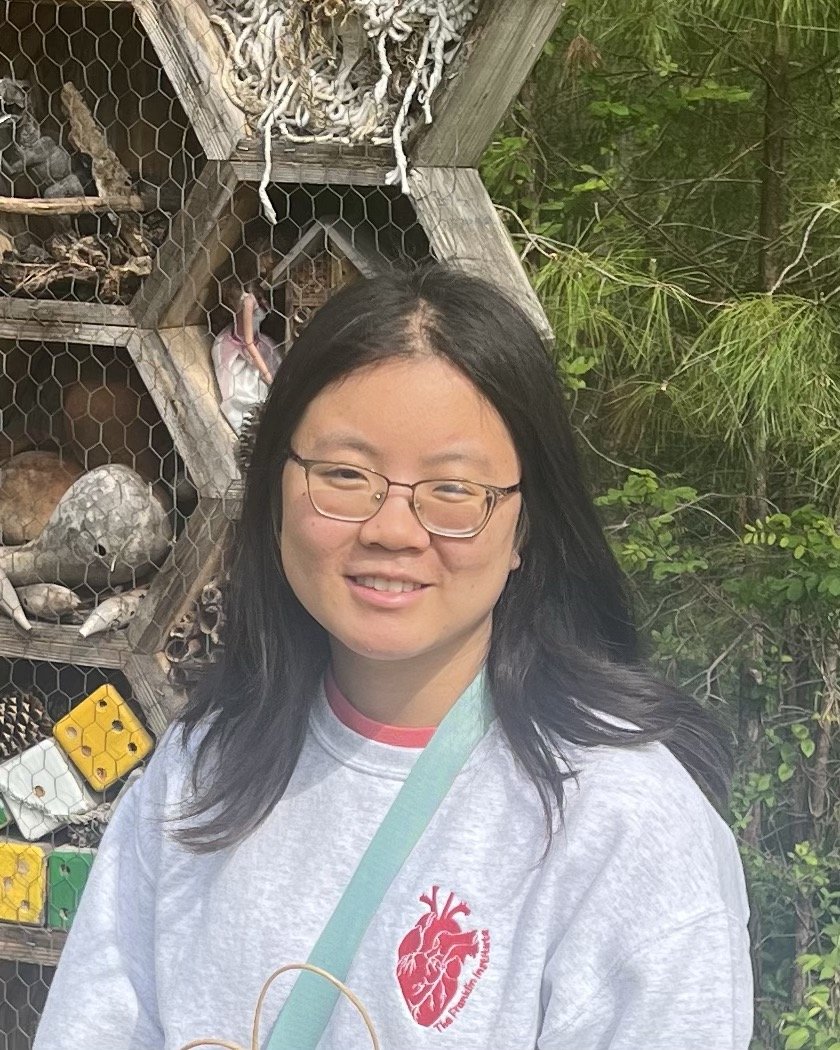
About the Author
Sophia Feng had been a competitive swimmer for four years at the time of her rheumatic heart disease diagnosis in 2021. Since then, she has worked with rare disease and chronic illness organizations to advocate for more accessible and affordable healthcare. Her most recent highlights include participating in congressional legislative meetings in the summer of 2026 and helping with awareness efforts for Chronic Disease Month in July. In her free time, she enjoys crocheting stuffed animals, swimming, and spending time with her friends and family.